

Cracking the DOV-inci Code: Dove Flight Patterns in Central Texas

Cracking the Code: Dove Flight Patterns in Central Texas
Texas dove flight paths aren’t random—they’re as patterned as a deer trail through mesquite. If you’ve hunted doves in Central Texas long enough, you know these birds stick to invisible highways in the sky, cruising from roost to field to water like clockwork. Figuring out where those flight paths run can mean the difference between a full strap and an empty shell belt.
If you’re new to dove hunting in Central Texas, here’s a hard truth about Texas dove flight paths: you can have the best shotgun money can buy, the finest camo on God’s green earth, and a cooler full of cold ones—but if you set up in the wrong spot, you’re gonna be watching a lot of empty sky!
Now I ain’t no biologist, and I don’t pretend to be. But after decades of Central Texas dove hunting and sweating in the sun, nursing bruised shoulders, and watching birds more than most people watch TV, I’ve picked up a few things about how doves fly around these parts. This ain’t theory. This is field-earned knowledge about Texas dove flight paths that put birds in the bag. So like Big Billy Kinder says… grab your thermos and pull up a camp house—let’s talk flight patterns!
🕊️ Morning Flights: The Real Show Begins at First Light
Doves move early. Not “after your second cup of coffee” early—crack of dawn early. First light is when the real action kicks off. Birds leave their roosts, usually in tall trees or thick brush, and make a beeline for feeding grounds. In Central Texas, that’s sunflowers, milo, and wheat fields—especially those that have been cut or shredded recently.
If you scout right, you’ll see the same general pattern every morning. Doves come in low, flaring just before they touch down. If you’re between the roost and the food, you’re golden. Set up too far off that line, and you’ll swear the birds have disappeared from the planet.
☀️ Midday: The Dead Zone (But Not Always)
Every new hunter hits this wall. The sun climbs high, the birds vanish, and you’re sitting there thinking you picked the wrong day. Relax. It’s not you—it’s nature.
Doves lay low during the heat of the day. They’ll loaf around in shady spots—live oaks, mesquite thickets, fence lines—just hanging out. Midday isn’t a complete bust, though. If you can find a water hole or stock tank they’re using, you might catch a few drifting in to drink. Set up quiet, stay in the shadows, and be patient.
🌅 Evening Flights: The Steady Return
About an hour before sunset, things start to pick up again on the properties. Birds that fed early and loafed all day get thirsty and head for water. Others head back to roost. The evening flight isn’t as chaotic as the morning—it’s more of a steady trickle—but the birds are lower, slower, and sometimes just as plentiful.
Focus on natural travel corridors: tree lines, fence rows, windbreaks, creek beds. Doves love edges. If your spot’s got structure between food and roosting cover, you’re in the game.
💨 Wind: The Silent Influencer of Dove Movement
Here’s one a lot of folks overlook: wind. Doves, like any bird, fly differently depending on it. With a strong south wind, expect birds to come in low and fast from the north. If it’s calm, you’ll get higher, floatier birds. Always set up with the wind at your back or crosswind—it gives you cleaner shots and keeps the birds from flaring too early.
🔭 Scouting That Actually Works
You can’t just show up opening day and expect to limit out. Scouting helps you discover Texas dove flight paths and gives you a serious edge when the birds start flying.
Spend time glassing the field a few evenings before the season. Watch where they’re coming from and going. Look for “flyways”—those invisible highways birds stick to. Once you’ve found one, protect it like your grandma’s peach cobbler recipe.
🧠 Final Word: Trust the Patterns, Not Just the Land
Dove hunting in Central Texas isn’t just about pulling the trigger—it’s about understanding the rhythm of the land. Pay attention to where the birds feed, drink, rest, and roost. Watch the sky, trust your gut, and be willing to move if the flight line shifts.
It ain’t easy, but that’s what makes it worth it.
See y’all in the field.
—David Gray
Dove Blasters Founder, South Texas bred, Central Texas fed
How to Keep Your Hunting Dog Cool in Dove Season
Keep your hunting dog safe this Texas dove season with the 1/3 frozen jug method. Learn how Dove Blasters’ simple trick keeps dogs cool, hydrated, and ready for the hunt.
Blood, Sweat, and Buzzing: Dove Hunting Without Getting Mauled by Mosquitos
Learn how to avoid mosquitos while dove hunting in Texas. Get field-tested mosquito control tips and gear every dove hunter needs to stay bite-free this season.
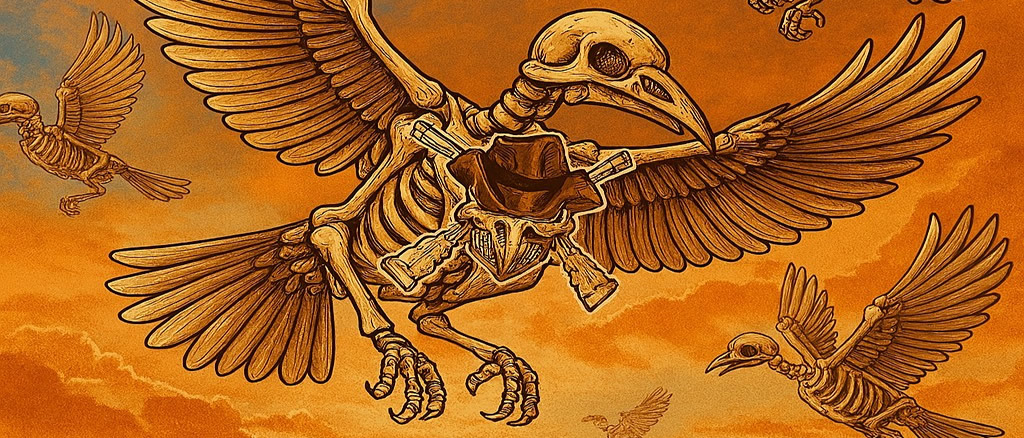
Cracking the DOV-inci Code: Dove Flight Patterns in Central Texas
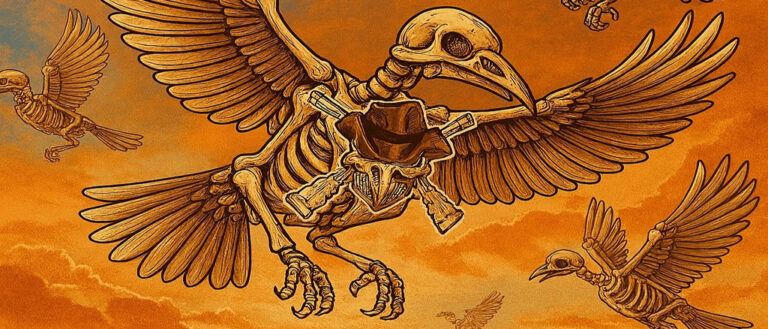
“They don’t just fly — they haunt the skies.”
In the world of Dove Blasters, the flight path isn’t just a pattern — it’s a legacy. These skeletal sentinels represent every hunt, every shot, every dawn cracked open under a Texas sky. When the dust settles and the feathers fade, only the bone-deep grit of true hunters remains.
Welcome to the other side of the season.



Responses